A Beginner's Guide to Finding the Right Holistic Practitioner
A Beginner's Guide to Finding the Right Holistic Practitioner
Finding a holistic practitioner can feel overwhelming. The field is broad. The terminology is unfamiliar. And the stakes feel high when your well-being is involved.
This guide walks you through the process step by step. From understanding what certified holistic practitioners actually do to knowing which questions to ask before your first appointment. Consider it your roadmap to making an informed decision.
What Is a Holistic Practitioner?
A holistic health practitioner is a professional who considers the whole person: physical, mental, emotional, and sometimes spiritual: when supporting wellness. Rather than focusing on isolated symptoms, they look at the bigger picture.
This approach shapes everything from how they conduct appointments to how they develop care plans. The philosophy centers on understanding root causes and connections within the body, rather than treating concerns in isolation.
The term "holistic" describes an approach, not a specific credential. This means many different types of practitioners can work holistically. What distinguishes them is often their philosophy and communication style rather than their specific specialty.

Common Types of Holistic Practitioners
The holistic health field encompasses a wide range of specialties. Here are some of the most common types you might encounter:
Chiropractors focus on the musculoskeletal system, particularly the spine. They complete doctoral programs and are licensed in all 50 states.
Naturopathic Doctors (NDs) complete four-year graduate programs and focus on natural approaches to health. Licensing requirements vary significantly by state.
Acupuncturists practice traditional Chinese medicine techniques involving thin needles placed at specific points on the body. Most states require licensure.
Functional Medicine Practitioners may come from various backgrounds (MDs, DOs, NDs, or other health professionals) and focus on identifying root causes of health concerns.
Massage Therapists work with soft tissue and are licensed in most states, though requirements vary.
Integrative Health Coaches support clients in making lifestyle changes. Certification programs vary widely in rigor and recognition.
Understanding these distinctions helps you find a holistic provider whose expertise aligns with your specific needs.
Credentials That Matter
Verification is essential. Not all training programs are equal, and licensing requirements vary dramatically by location and modality.
Here's what to look for:
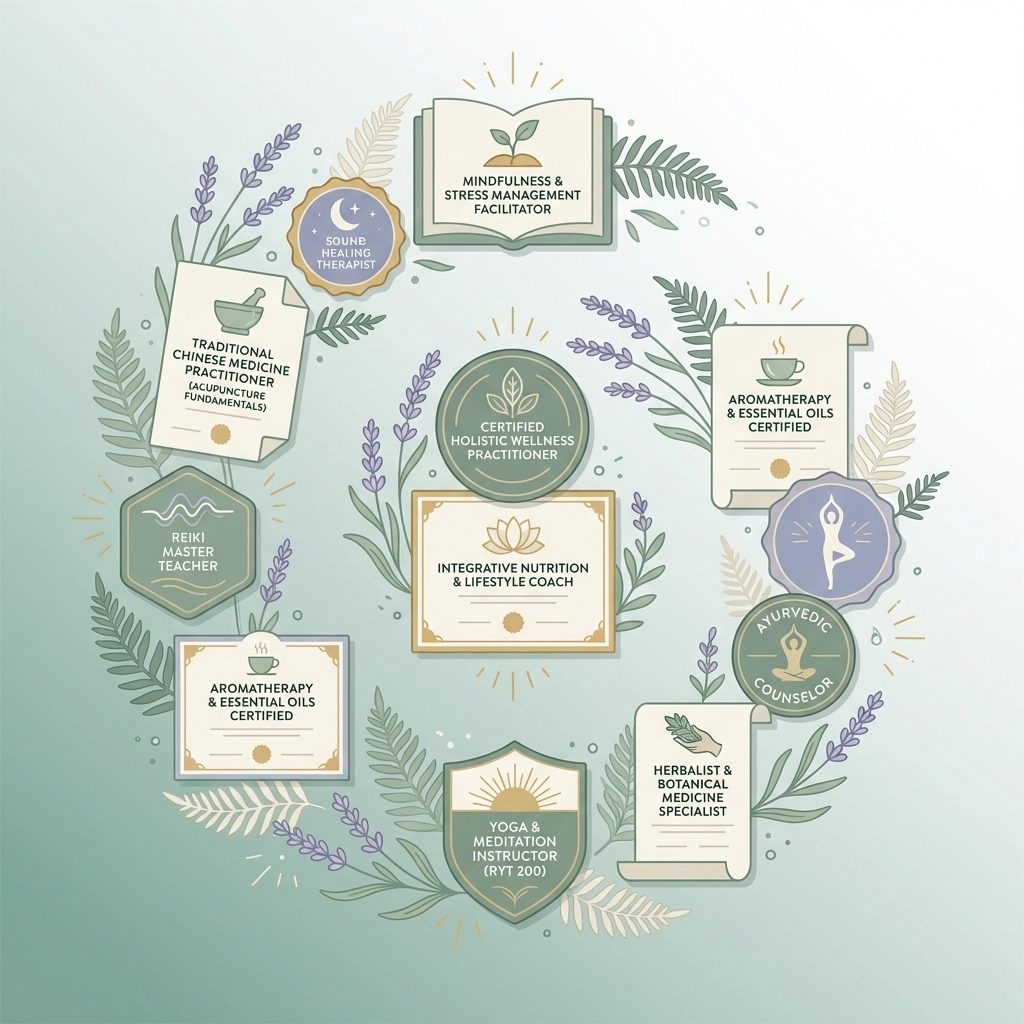
Formal Education Ask where practitioners completed their training and how long the program lasted. Longer, in-person programs generally indicate more rigorous preparation than brief online courses. Reputable practitioners are transparent about their educational background.
Licensure Some holistic practitioners are required to be licensed in your state. Others are not. Chiropractors, acupuncturists, and massage therapists typically need state licenses. Naturopathic doctors are licensed in about half of U.S. states. Health coaches and some other practitioners may not require licensure.
Check your state's requirements. When licensure is available, verify that the practitioner holds a current, valid license.
Board Certification Beyond basic licensure, board certification indicates additional expertise and commitment to professional standards. Ask whether practitioners hold any board certifications relevant to their specialty.
Insurance and Liability Coverage Professional liability insurance protects both practitioners and clients. It's reasonable to ask whether a practitioner carries this coverage.
Questions to Ask Before Booking
A brief phone call or email exchange before your first appointment can reveal a lot. Consider asking:
- What training and credentials do you hold?
- How long have you been practicing?
- What does a typical first appointment involve?
- How do you develop care plans for clients?
- Do you coordinate with other healthcare providers if needed?
- What are your fees, and do you work with insurance?
Reputable practitioners welcome these questions. They understand that building trust starts with transparency.
Green Flags: Signs of a Quality Practitioner
Certain traits distinguish exceptional holistic practitioners. Look for professionals who demonstrate:
Time and Attentiveness Quality practitioners don't rush appointments. They listen carefully and take time to explain their approach in understandable terms. Your concerns receive genuine attention.
Personalized Approaches Cookie-cutter protocols are a warning sign. Skilled practitioners create individualized plans based on your specific situation, preferences, and goals.
Clear Communication You should understand what to expect at each appointment. Practitioners should outline their approach and be willing to answer questions without becoming defensive or evasive.
Realistic Expectations Be cautious of anyone promising guaranteed outcomes or miraculous results. Responsible practitioners discuss possibilities honestly, including limitations.
Collaborative Spirit The best holistic practitioners view themselves as partners in your wellness journey. They respect your autonomy and involve you in decision-making.
Continuing Education The field of holistic health continues to evolve. Practitioners who teach peers, attend conferences, or pursue ongoing training demonstrate commitment to their craft.

Red Flags to Watch For
Trust your instincts if something feels off. Specific warning signs include:
Pressure Tactics Any practitioner who pressures you into expensive treatments or long-term commitments before you've had time to evaluate their approach deserves scrutiny.
Vague Answers Reluctance to discuss credentials, training, or treatment philosophy suggests a lack of transparency.
Unrealistic Promises Claims that sound too good to be true usually are. Responsible practitioners acknowledge complexity and avoid guarantees.
Dismissiveness A practitioner who dismisses your questions, concerns, or the role of other healthcare providers is not practicing collaboratively.
Lack of Documentation Legitimate practitioners maintain records and can provide documentation of your care if needed.
The Importance of Personal Fit
Credentials matter. So does the relationship. You'll likely share personal information with your holistic practitioner. Feeling comfortable and respected makes a meaningful difference.
Consider visiting the office before committing. Notice whether the environment feels welcoming. Pay attention to how staff interact with you. These details often reflect the overall practice philosophy.
Some people prefer practitioners who share similar backgrounds or communication styles. Others prioritize specific expertise regardless of personality. Neither approach is wrong. The goal is finding someone you trust and feel comfortable with.
Where to Start Your Search
Several pathways can lead you to qualified practitioners:
Professional Directories Many professional organizations maintain directories of certified members. These can be useful starting points, though listing doesn't guarantee quality.
Primary Care Referrals Your primary care provider may have referral relationships with holistic practitioners they trust. Many insurance companies also maintain approved provider lists.
Community Recommendations Personal referrals from friends, family, or colleagues can be valuable. Ask specifically what they appreciated about their experience.
Dedicated Platforms Platforms like goholistic are designed to help you find holistic providers with verified credentials. Browsing practitioner profiles allows you to compare backgrounds, specialties, and approaches before reaching out.
Making Your Decision
Choosing a holistic practitioner is personal. What works for someone else may not work for you.
Avoid selecting based solely on convenience or cost. Going the extra mile: whether that means traveling farther or paying out of pocket: often pays off when your well-being is involved.
At the same time, don't let the search become paralyzing. You can always reassess after a few appointments. The goal is finding a qualified practitioner you feel good about, not achieving perfection on the first try.
Moving Forward
Finding the right holistic provider takes some effort. Verifying credentials, asking questions, and trusting your instincts all play important roles.
The process is worth it. A practitioner who truly sees you: who takes time to understand your situation and works collaboratively toward your goals: can be a valuable partner in your wellness journey.
Ready to start exploring? Browse certified holistic practitioners in your area and take the first step toward finding your fit.