Exploring Nature's Toolkit: A Factual Guide to Common Natural Remedies
Exploring Nature's Toolkit: A Factual Guide to Common Natural Remedies
Natural remedies have been part of human history for thousands of years. Long before modern pharmaceuticals, communities around the world relied on plants, herbs, and other natural substances to support their well-being. Today, interest in these traditional approaches continues to grow as people seek to understand what nature has to offer.
This guide provides factual information about common natural remedies. No medical claims. No prescriptive advice. Just a straightforward look at what these remedies are, how they've been used historically, and what current research tells us.
A Brief History of Natural Remedies
Every culture has its own tradition of plant-based remedies. Ayurvedic medicine from India dates back over 5,000 years. Traditional Chinese Medicine has evolved over millennia. Indigenous communities across the Americas, Africa, and Australia developed sophisticated knowledge systems around local plants and their properties.
These traditions didn't disappear with the advent of modern medicine. They evolved. Today, researchers study many of these traditional remedies to understand their mechanisms and potential applications.
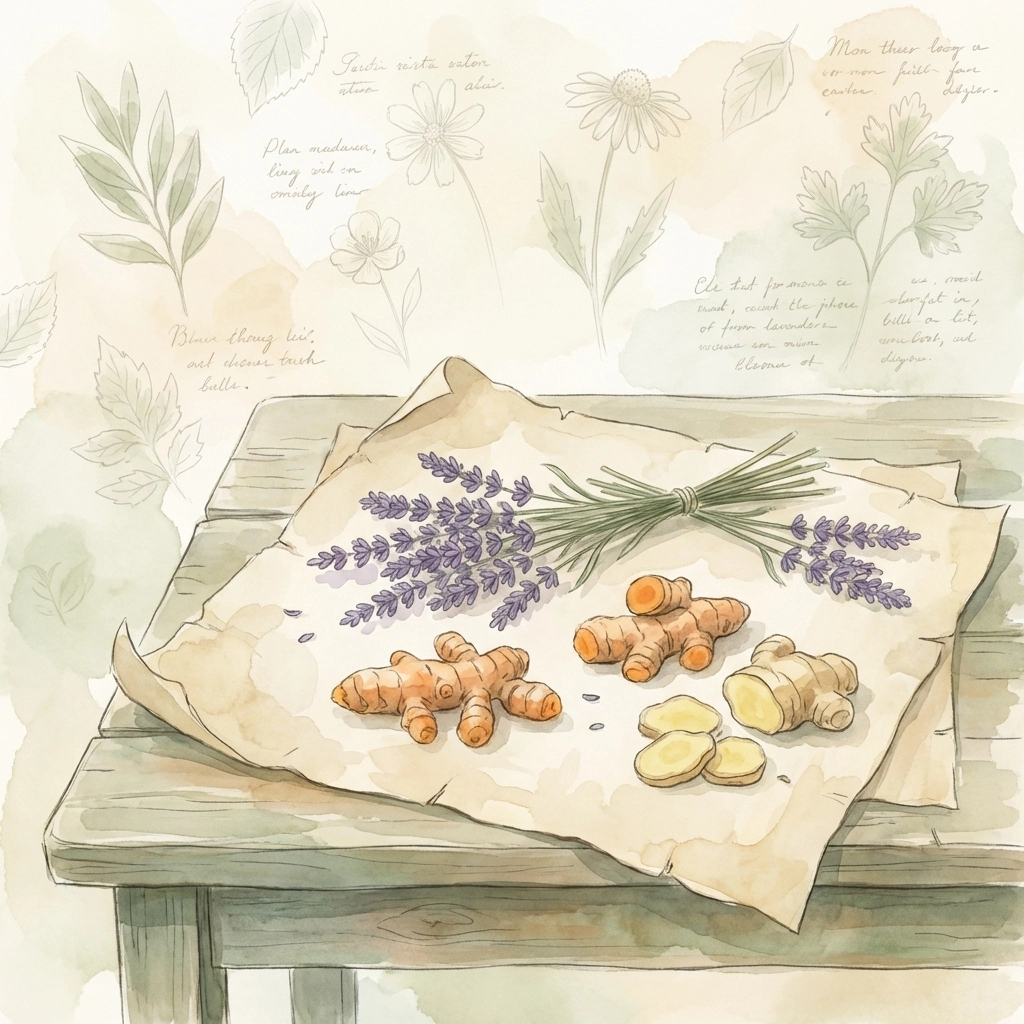
Common Herbs and Their Traditional Uses
Herbs form the backbone of most natural remedy traditions. Here's a factual overview of some widely recognized herbs and what research has observed about them.
Turmeric
This golden spice has been used in Ayurvedic medicine for nearly 4,000 years. Its active compound, curcumin, has been the subject of extensive research. Studies have examined its potential role in addressing inflammation, and it remains one of the most studied herbs in alternative medicine today.
Turmeric is commonly consumed as a spice in cooking, as a tea, or in supplement form. Its bioavailability increases when combined with black pepper.
Ginger
Ginger has a long history of use across Asian, Indian, and Arabic traditions. Research has explored its properties related to digestive comfort and its potential mechanisms differ from conventional approaches. Studies have noted that ginger may work by influencing the formation of certain inflammatory compounds.
It's consumed fresh, dried, as a tea, or in capsule form.
Chamomile
In the United States, chamomile is primarily associated with relaxation and calm. In Europe, traditional uses have included topical applications. The FDA considers chamomile generally safe, though it may interact with certain substances and increase drowsiness when combined with other compounds.
Chamomile is most commonly consumed as a tea, making it one of the most accessible natural remedies.
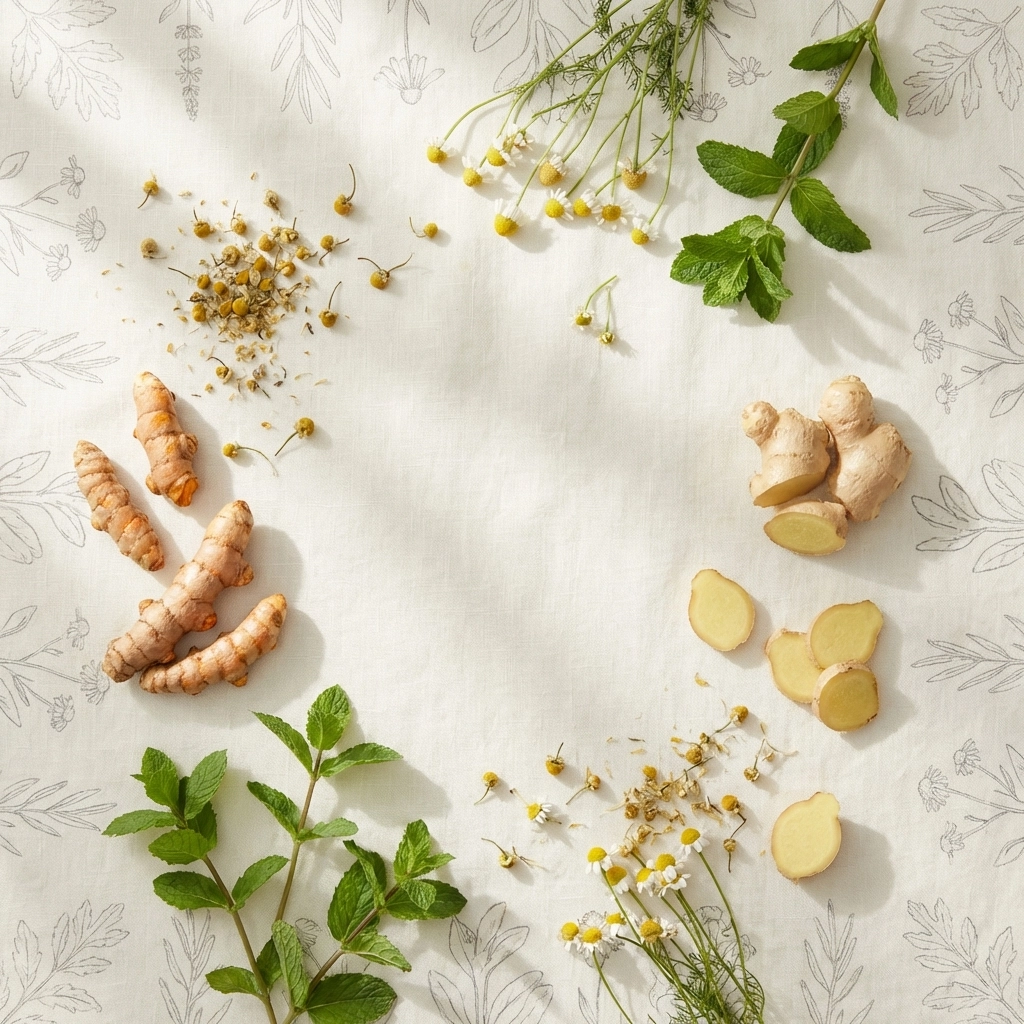
Peppermint
Peppermint has been studied for its potential effects on digestive comfort. Research has particularly focused on its use for symptoms associated with irritable bowel syndrome. The herb contains menthol, which provides its characteristic cooling sensation.
Peppermint is available as tea, essential oil, and in capsule form. Different preparations may have different applications.
Garlic
Garlic consumption has been associated with various observations in population studies. Research has noted correlations between regular garlic consumption and certain health markers, though garlic supplements don't appear to produce the same associations as whole garlic.
This distinction between whole food and supplement forms is important across many natural remedies.
Fenugreek
Fenugreek seeds contain water-soluble fiber and have been used traditionally for digestive support. The seeds have a distinctive maple-like aroma and are common in Middle Eastern and South Asian cuisines.
Essential Oils: An Overview
Essential oils are concentrated plant extracts obtained through distillation or cold pressing. They capture the aromatic compounds of plants and have become increasingly popular in recent years.
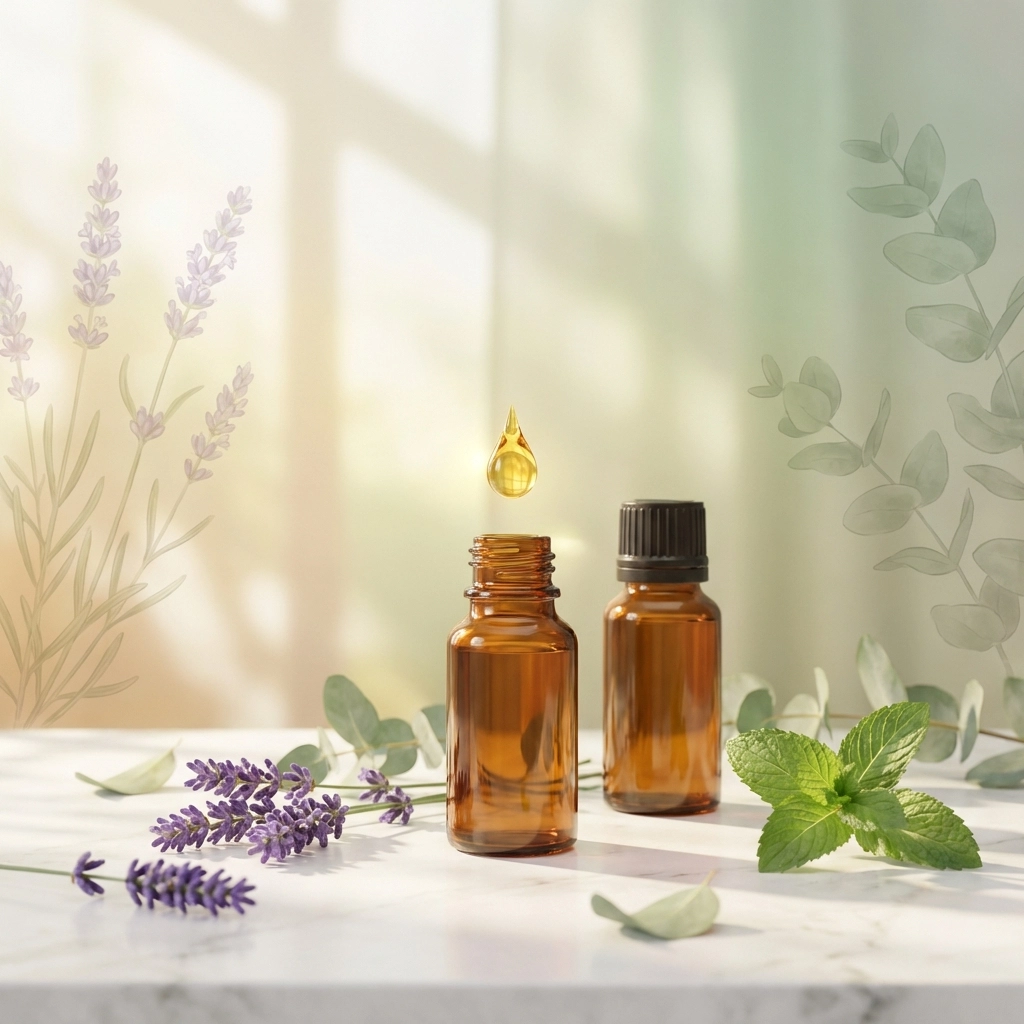
How Essential Oils Are Used
Essential oils are typically used in three ways:
Aromatic use. Diffusing oils into the air or inhaling them directly. This is the most common application.
Topical use. Applying diluted oils to the skin. Most essential oils require dilution with a carrier oil before skin application.
Internal use. Some traditions include internal use of certain oils, though this remains controversial and is not universally recommended.
Common Essential Oils
Lavender is perhaps the most widely recognized essential oil. It's associated with relaxation and is commonly used in aromatherapy settings.
Peppermint oil provides a cooling sensation and is used aromatically for alertness and topically for its cooling effect.
Eucalyptus has a distinctive camphor-like scent and is often used in steam inhalation during cold seasons.
Tea tree oil has been studied for its topical applications and is found in many skincare products.
Quality Considerations
Not all essential oils are created equal. Factors affecting quality include:
- Source and growing conditions of the plants
- Extraction methods
- Purity and testing standards
- Storage and handling
When exploring essential oils, sourcing from reputable suppliers matters. Third-party testing can verify purity and authenticity.
Other Natural Substances
Beyond herbs and essential oils, other natural substances have traditional uses worth noting.
Mushrooms
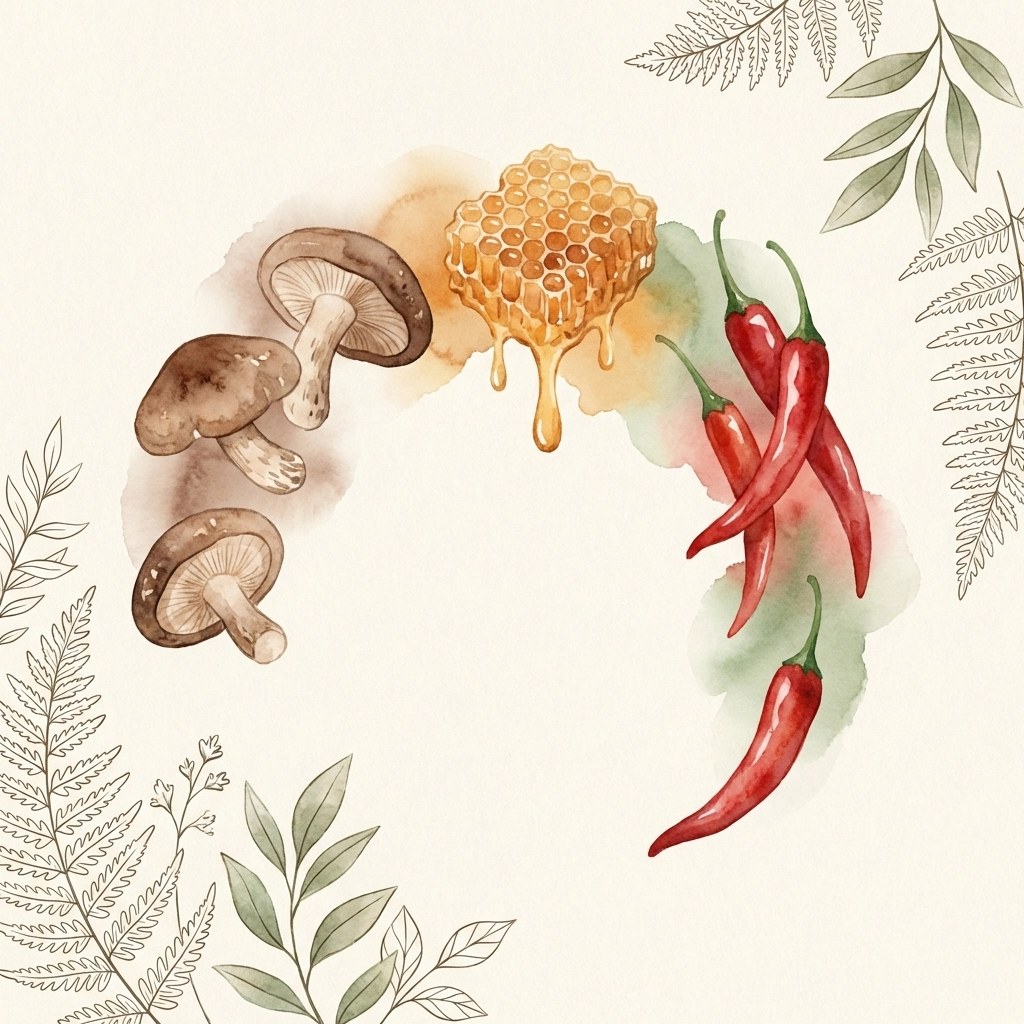
Certain mushrooms have been studied for their unique compounds. Shiitake mushrooms, for example, have been the subject of research examining immune function. Studies have observed changes in immune markers after regular consumption over several weeks.
Reishi, lion's mane, and cordyceps are other mushrooms with traditional uses in various cultures.
Capsaicin
Derived from chili peppers, capsaicin creates a sensation of heat. This compound is now found in various topical products. It works through a specific mechanism: creating warmth before a numbing effect occurs.
Honey
Raw honey has been used traditionally for thousands of years. Its properties have been studied in various contexts, particularly for topical applications. Manuka honey from New Zealand has received particular research attention.
Important Considerations
Understanding natural remedies requires acknowledging their complexity. Here are key points to keep in mind.
Natural Does Not Mean Risk-Free
Natural substances can have potent effects. They can also interact with medications and may not be appropriate for everyone. Certain herbs may affect blood clotting, blood pressure, or other physiological processes.
This is factual information, not a warning against natural remedies. It's simply a recognition that these substances have real effects: which is precisely why they've been valued historically.
Quality and Sourcing Matter
The natural products market varies widely in quality. Contamination, adulteration, and inconsistent potency are documented issues. Choosing products from transparent, reputable sources helps ensure you're getting what the label claims.
Individual Variation Exists
People respond differently to natural substances. What works for one person may not work for another. Factors like genetics, overall health status, and concurrent medications all play roles.
Research Continues
Our understanding of natural remedies continues to evolve. What we know today may be refined or expanded tomorrow. Staying informed means recognizing that this is a dynamic field.
Working with Practitioners
Many people find value in working with practitioners who specialize in natural and holistic approaches. These professionals can provide personalized guidance based on training and experience.
Practitioners in this space include naturopathic doctors, herbalists, aromatherapists, and integrative medicine physicians. Each brings different training and perspectives.
Finding qualified practitioners requires some research. Credentials, training, and experience vary. Explore verified holistic practitioners through our directory to connect with professionals who align with your interests.
A Balanced Perspective
Natural remedies represent one component of a broader approach to well-being. They exist alongside: not necessarily in opposition to: other health modalities.
The goal isn't to choose sides. It's to understand options. Knowledge empowers better conversations and more informed decisions.
For more factual guides on holistic health topics, visit our guides section. And for the latest research summaries, our research page offers regularly updated content.
Nature's toolkit is vast. Understanding it takes time. This guide offers a starting point: a foundation of factual information to build upon as you explore what resonates with your own path to well-being.