How Science is Changing the Way We View Alternative Medicine
How Science is Changing the Way We View Alternative Medicine
The landscape of alternative medicine is shifting. What was once accepted or dismissed based on tradition alone now faces rigorous scientific examination. This transformation represents one of the most significant developments in modern healthcare.
Evidence-based holistic treatments are no longer a contradiction in terms. They are becoming the standard.
A New Era of Research
For decades, alternative therapies existed largely outside the realm of scientific scrutiny. Practitioners relied on centuries of tradition. Critics pointed to a lack of clinical evidence. The gap between these perspectives seemed insurmountable.
That gap is narrowing.
Today, researchers apply the same methodologies used for conventional treatments to evaluate alternative medicine. Randomized controlled trials. Systematic reviews. Meta-analyses. The scientific toolkit that shaped modern medicine is now being applied to ancient practices.
Consider acupuncture. This practice, rooted in traditional Chinese medicine, has been the subject of over 10,000 published scientific studies. More than 500 of these are randomized controlled trials: the gold standard of clinical research.

This volume of research doesn't automatically validate every claim made about acupuncture. But it does signal a profound shift. Alternative therapies are being taken seriously enough to warrant serious investigation.
The Integration Model
The scientific community has moved beyond a binary view of alternative medicine. The old framework: where therapies were either wholly valid or completely dismissed: has given way to something more nuanced.
Integrative medicine represents this new approach. It combines conventional treatment with complementary practices, but only when those practices demonstrate safety and effectiveness through research.
This selective integration marks a departure from both uncritical acceptance and blanket rejection. Each therapy is evaluated on its own merits. Evidence determines inclusion.
Some findings support traditional uses. Certain herbal remedies for joint discomfort, including capsaicin and phytodolor, have shown moderately strong evidence in clinical studies. Other therapies require more investigation before conclusions can be drawn.
The key distinction: decisions are now driven by data rather than dogma.
Challenging Commercial Claims
Scientific scrutiny has revealed important truths about how alternative therapies are sometimes promoted. Research quality varies significantly depending on funding sources.
Studies funded by commercial entities and alternative practitioners have shown systematic positive bias. Independent, noncommercial research often tells a different story. One analysis of glucosamine for joint health found that all positive trials were funded by manufacturers. Independent studies showed no significant effects beyond placebo.
This discovery has practical implications. It underscores the importance of evaluating research quality, not just research existence. A therapy supported by manufacturer-funded studies alone warrants skepticism. Independent validation matters.
For anyone exploring evidence-based holistic treatments, understanding these distinctions is essential. Not all studies carry equal weight.
Quality Control Comes Into Focus
The assumption that natural equals safe has faced scientific challenge. Recent analyses of herbal products have uncovered significant quality control issues across the industry.
Some products marketed as "all-natural" have been found to contain undisclosed pharmaceutical compounds. Others showed adulteration with hormone analogs or stimulants. These findings reveal that the alternative medicine industry, like any industry, requires oversight and verification.
This isn't an argument against natural remedies. It's an argument for transparency, testing, and accountability. Science provides the tools to distinguish high-quality products from problematic ones.
Consumers benefit when this information is available. Practitioners benefit when they can recommend products backed by quality assurance. The entire field benefits when standards rise.
The Role of Research Summaries
With thousands of studies published across hundreds of therapies, accessing and understanding this research presents a challenge. Most people don't have time to read clinical trials. Most aren't trained to evaluate study design or statistical significance.
This is where research summaries become valuable.
At goholistic, we prioritize making scientific findings accessible. Our research section translates complex studies into clear, digestible information. We focus on what the evidence actually shows: not what we hope it shows.
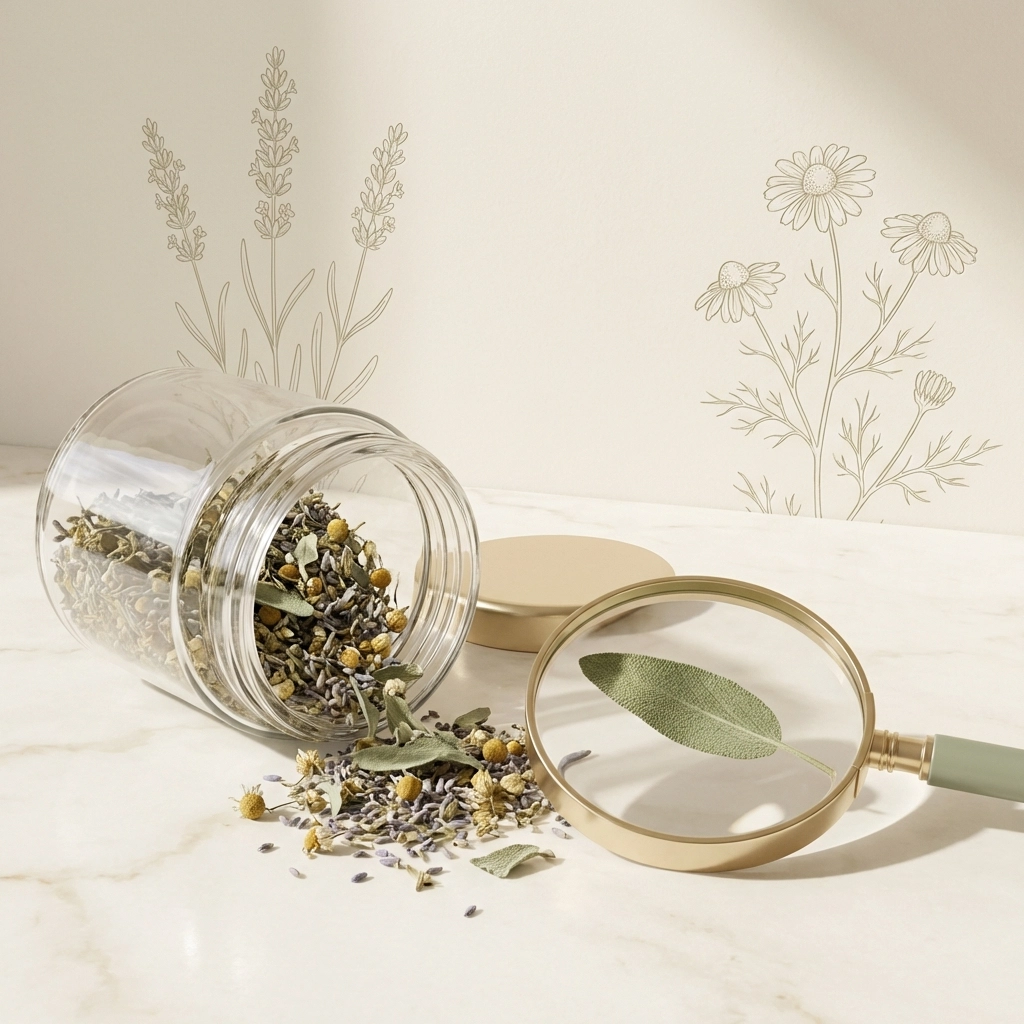
This approach serves a specific purpose. When you're exploring treatment options or connecting with holistic practitioners, having access to balanced research summaries helps inform your decisions.
We don't position ourselves as the final authority on what works. We position ourselves as a resource for understanding what the current evidence suggests. The distinction matters.
What This Shift Means for Practitioners
Holistic practitioners are adapting to this evidence-based landscape. Many welcome the increased scrutiny. It validates their work and distinguishes them from less rigorous approaches.
The practitioners featured on goholistic understand this dynamic. They recognize that their credibility depends not only on tradition and training but also on alignment with emerging research.
This doesn't mean abandoning holistic principles. It means grounding those principles in observable outcomes. It means staying current with scientific developments. It means being honest about what we know and what remains uncertain.
International health organizations now encourage research and training in traditional medicines. This institutional recognition reflects growing acceptance that some traditional approaches merit scientific validation.
The Ongoing Conversation
Science hasn't delivered final answers on every alternative therapy. That's not how science works. Research is iterative. Understanding evolves. What seems promising today may be refined or revised tomorrow.
This uncertainty isn't a weakness of the evidence-based approach. It's a feature. The willingness to update conclusions based on new evidence distinguishes science from belief.
For those interested in holistic health, this ongoing conversation is worth following. New studies are published regularly. Systematic reviews synthesize findings across multiple trials. The evidence base grows.

Staying informed doesn't require a medical degree. It requires access to reliable summaries and the patience to recognize that knowledge develops incrementally.
A Practical Framework
The shift toward evidence-based holistic treatments offers a practical framework for decision-making.
Start with curiosity, not conclusions. Explore what research exists for therapies that interest you. Consider the quality and independence of that research. Consult with qualified practitioners who stay current with scientific developments.
Recognize that evidence exists on a spectrum. Some therapies have robust support. Others have preliminary findings. Still others lack sufficient study. Each category warrants a different level of confidence.
This framework doesn't promise certainty. It offers a rational approach to navigating a complex landscape.
Looking Ahead
The integration of scientific rigor into alternative medicine continues to accelerate. Research methodologies improve. Study quality rises. The evidence base expands.
This trajectory suggests that the distinction between "conventional" and "alternative" medicine may eventually become less meaningful. What matters is whether a therapy works, whether it's safe, and whether evidence supports its use.
At goholistic, we're committed to supporting this evolution. Through accessible research summaries, connections to evidence-informed practitioners, and clear information about treatments, we aim to help you navigate holistic health with confidence.
The science is changing how we view alternative medicine. The question is no longer whether to take it seriously. The question is how to apply what we're learning.
Explore our guides for more insights into evidence-based approaches to holistic health.