Nourishing the Whole: How Nutrition Fits Into Holistic Wellness
Nourishing the Whole: How Nutrition Fits Into Holistic Wellness
Food is more than fuel. It shapes how we feel, think, and move through daily life. In the realm of holistic health, nutrition extends far beyond counting calories or tracking macros. It becomes a practice of nourishing the body as a complete, interconnected system.
This perspective offers a refreshing shift. Rather than viewing meals as isolated transactions, holistic wellness invites us to consider how what we eat influences every aspect of our well-being. Physical energy. Mental clarity. Emotional balance. All connected. All influenced by the foods we choose.
The Philosophy Behind Holistic Nutrition
At its core, holistic nutrition recognizes a simple truth. The body operates as a unified system. Each organ, each cell, each biological process works in concert with the others. When we nourish one part, we support the whole.
This stands in contrast to more fragmented approaches. Diets that isolate single nutrients or demonize entire food groups miss the bigger picture. Holistic wellness takes a wider view. It considers how foods interact with our unique physiology, lifestyle, and environment.
The philosophy centers on balance and integration. Not perfection. Not rigid rules. Simply a mindful approach to eating that honors the body's natural intelligence.
Whole Foods as the Foundation
Whole, unprocessed foods form the cornerstone of this approach. Fruits, vegetables, whole grains, lean proteins, healthy fats. These provide the essential building blocks our bodies need to function optimally.
Why whole foods? They deliver nutrients in their natural form. Vitamins, minerals, antioxidants, and phytonutrients arrive together, the way nature intended. This synergy matters. Nutrients often work best when consumed alongside their natural companions.
Consider a simple orange. It contains vitamin C, certainly. But also fiber, flavonoids, and other compounds that influence how our bodies absorb and utilize that vitamin C. Isolating nutrients in supplements rarely replicates this complexity.
Whole foods also tend to be more satiating. They support stable blood sugar levels. They provide the fiber our digestive systems require. These practical benefits complement the philosophical ones.
The Colors on Your Plate
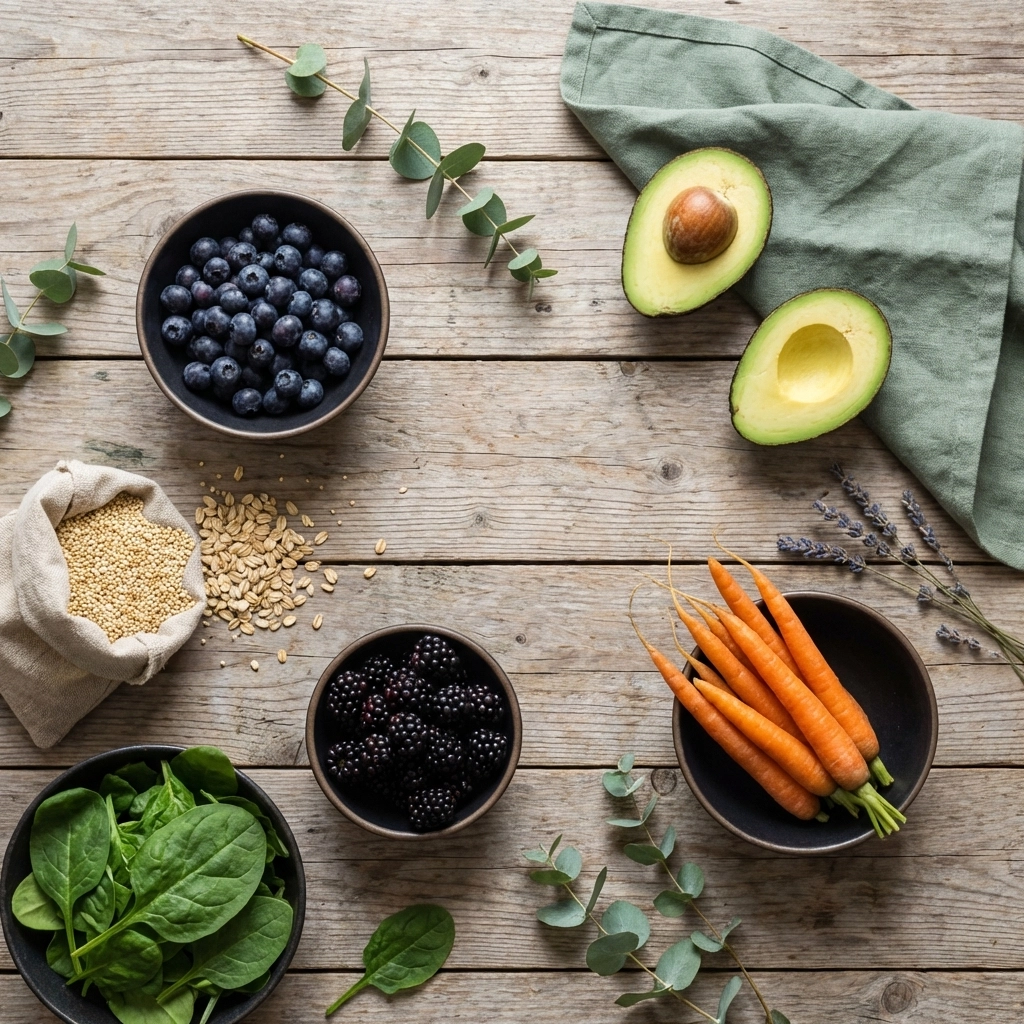
A useful guideline emerges from this understanding. Variety matters. Different colored foods contain different phytonutrients. Leafy greens offer one set of benefits. Orange and yellow vegetables provide another. Deep purples and reds contribute their own unique compounds.
This creates a simple framework. No complicated calculations required. Just aim for diversity. Let your plate reflect the rainbow of options available in nature.
The Mind-Body Connection in Eating
Holistic wellness acknowledges something conventional nutrition often overlooks. Our mental and emotional states profoundly influence our relationship with food. And food, in turn, affects how we think and feel.
Stress eating. Emotional comfort from certain foods. The satisfaction of a meal shared with loved ones. These experiences reveal the deeper dimensions of nutrition. Food carries meaning beyond its nutritional profile.
This connection flows both ways. Research continues to explore how dietary patterns influence mood, cognitive function, and emotional resilience. The gut-brain axis: the communication pathway between our digestive system and brain: represents one fascinating area of ongoing study.
What does this mean practically? It suggests that how we eat matters alongside what we eat. Rushed meals consumed while distracted differ from relaxed dining experiences. Mindful eating becomes part of the holistic approach. Paying attention to hunger cues. Noticing how different foods make us feel. Creating space for meals to be moments of genuine nourishment.
Nutrient Density Over Restriction
The holistic perspective favors abundance over scarcity. Rather than focusing on what to eliminate, it emphasizes what to include. This subtle shift changes everything.
Nutrient-dense foods become the goal. Foods that deliver substantial nutritional value relative to their caloric content. Leafy greens, colorful vegetables, quality proteins, nuts, seeds, whole grains. These crowd out less nourishing options naturally.
This approach proves more sustainable than restrictive diets. It creates a positive relationship with food rather than one characterized by guilt or deprivation. Flexibility replaces rigidity. Moderation replaces extremes.

Supporting Different Aspects of Well-Being
Different nutrients support different functions within our holistic health framework.
Energy and vitality. Complex carbohydrates, B vitamins, and iron all play roles in how energetic we feel throughout the day. Whole grains, legumes, and leafy greens contribute here.
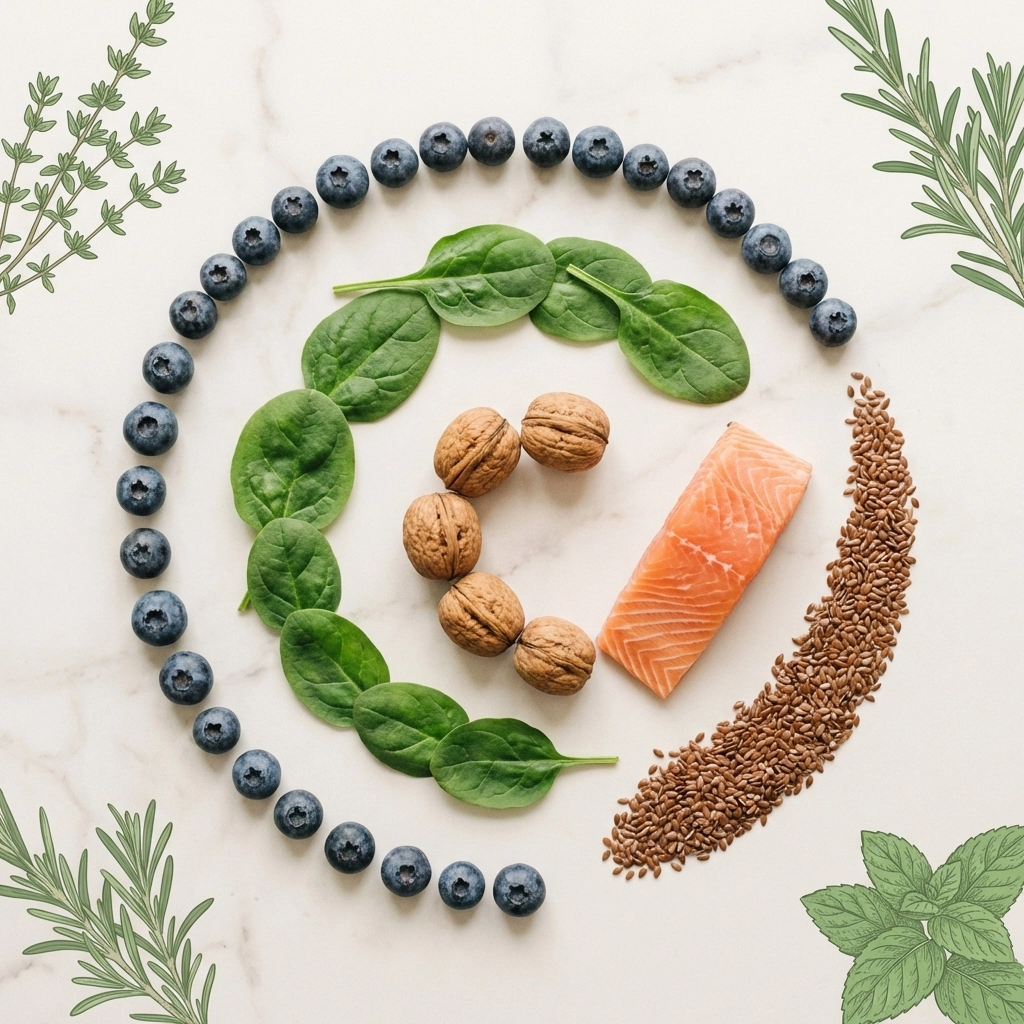
Cognitive function. Omega-3 fatty acids, found in fatty fish, walnuts, and flaxseeds, continue to attract research attention for their potential role in brain health.
Antioxidant support. Berries, dark chocolate, and colorful vegetables contain compounds that may help address oxidative stress in the body.
Digestive wellness. Fiber from whole foods supports healthy gut function. Fermented foods like yogurt, kimchi, and sauerkraut introduce beneficial bacteria.
This represents informational context, not prescriptive advice. Individual needs vary. Working with qualified practitioners helps determine what approach best supports your unique situation.
Nutrition Within the Larger Wellness Ecosystem
Food does not exist in isolation. Holistic health recognizes that nutrition operates within a broader ecosystem of lifestyle factors. Sleep quality influences food choices and how we metabolize nutrients. Physical activity affects energy needs and nutrient utilization. Stress levels impact digestion and food cravings.
This interconnected view prevents us from placing too much burden on any single factor. Nutrition matters. But so does rest. So does movement. So does emotional well-being.
Practitioners who embrace holistic approaches consider these connections. They explore how various lifestyle elements interact rather than addressing symptoms in isolation. This comprehensive perspective often reveals patterns and relationships that narrower approaches might miss.
At goholistic, we connect individuals with practitioners who understand these interconnections. Our provider directory includes professionals trained to consider the whole person, not just isolated concerns.
Building Sustainable Habits
Perhaps the greatest gift of holistic nutrition lies in its emphasis on sustainability. Quick fixes and extreme protocols rarely produce lasting change. Gentle, consistent practices tend to serve us better over time.
Small shifts accumulate. Adding one additional serving of vegetables daily. Choosing whole grains more often. Drinking adequate water. Eating more slowly. These modest changes, maintained over months and years, create meaningful differences.
The holistic approach also honors individual differences. What nourishes one person may not suit another. Cultural traditions, personal preferences, and individual physiology all factor into what constitutes a healthful eating pattern for any given person.
This flexibility removes judgment from the equation. There is no single "correct" way to eat. There is only the ongoing practice of paying attention, making informed choices, and adjusting as needed.
A Practice, Not a Prescription
Holistic nutrition ultimately represents a practice rather than a destination. It invites curiosity about how food affects us. It encourages experimentation and observation. It supports an evolving relationship with nourishment that grows more refined over time.
This orientation serves holistic wellness beautifully. Rather than seeking a final answer, we remain engaged in the ongoing process of caring for ourselves. We learn. We adjust. We continue.
For those interested in exploring how nutrition fits into their broader wellness journey, working with knowledgeable practitioners can provide valuable guidance. Our research section offers additional insights into the evidence behind various holistic approaches.
The path forward is personal. But the principle remains universal. When we nourish the whole, we support our capacity to thrive.