Understanding the Connection Between Mind, Body, and Your Health
Understanding the Connection Between Mind, Body, and Your Health
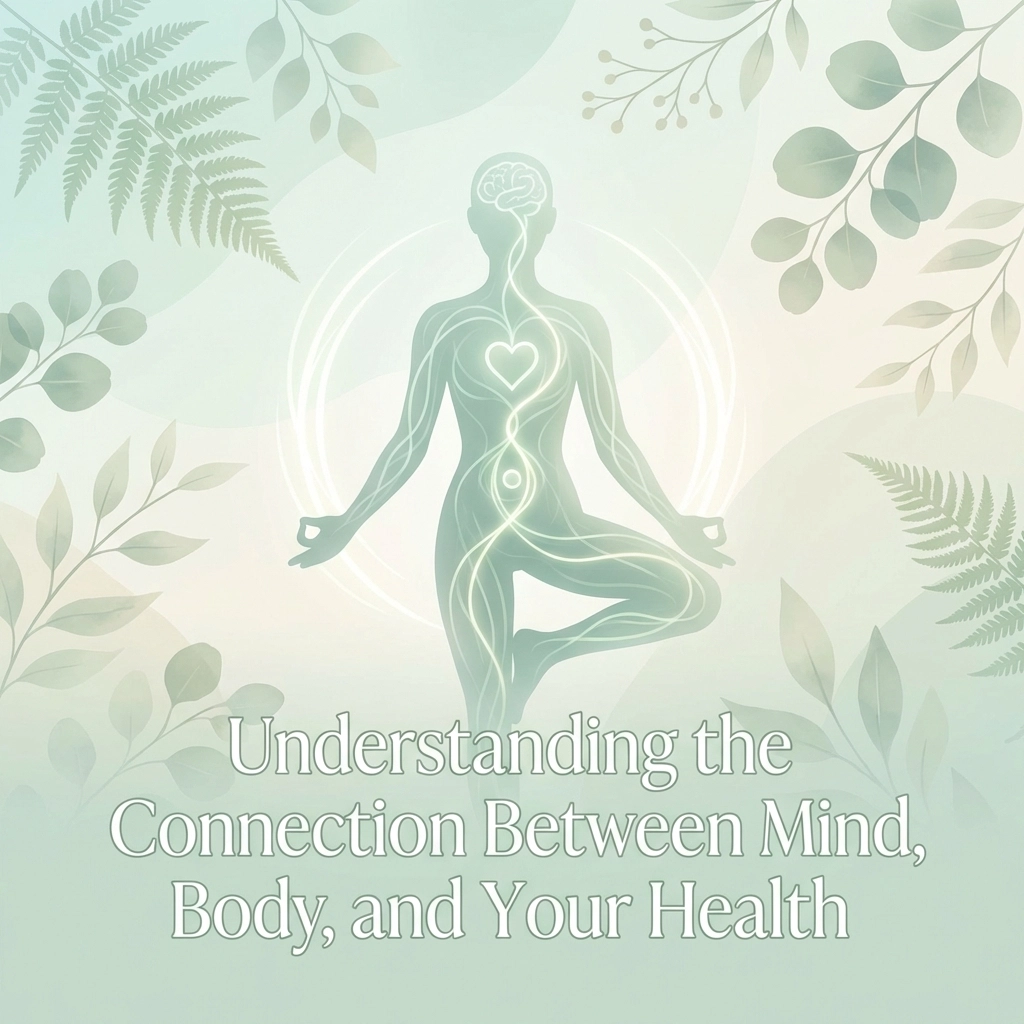
The relationship between your thoughts, emotions, and physical well-being runs deeper than you might realize. This connection shapes how you feel, how your body functions, and how you move through daily life. Understanding it offers a foundation for exploring holistic health approaches that honor the whole person.
Here, we explore the science behind the mind-body connection. What it means. How it works. And how various practices tap into this relationship.
What Is the Mind-Body Connection?
The mind-body connection describes the relationship between your mental and emotional states and your physical health. Your thoughts and feelings can influence your body. Your body, in turn, can influence your mind.
This is not abstract philosophy. It is built into your brain's architecture.
Neural networks that control movement connect directly to areas involved in thinking, planning, and regulating involuntary functions. Heart rate. Blood pressure. Digestion. These systems communicate constantly, forming an intricate feedback loop between mental experience and physical function.
Researchers have documented this relationship across decades of study. The field of psychoneuroimmunology: the study of how psychological processes affect the nervous and immune systems: continues to reveal new insights about how deeply interconnected we truly are.

How Mental States Influence Physical Health
Your emotional landscape creates real, measurable effects in your body.
Stress responses. When you experience stress, your body activates the sympathetic nervous system. Cortisol and adrenaline flood your system. Heart rate increases. Muscles tense. This response evolved to help humans survive immediate threats. However, chronic activation of this system: from ongoing work pressure, financial worry, or relationship difficulties: takes a toll.
Research indicates that prolonged stress can weaken immune function. It may contribute to digestive issues. It has been associated with increased cardiovascular risk factors.
Emotional patterns. States like anxiety and depression often manifest with physical symptoms. Fatigue. Changes in appetite. Sleep disturbances. Muscle tension. Headaches. These are not imagined experiences. They reflect the body's response to sustained emotional states.
This creates what researchers describe as a cyclical effect. Mental health challenges can intensify physical symptoms. Physical discomfort can, in turn, affect mental well-being. Understanding this cycle is the first step toward addressing it.
How Physical Health Shapes Mental Well-Being
The connection flows both directions.
Movement and mood. Physical activity triggers the release of endorphins: chemicals often described as the body's natural mood enhancers. Exercise also helps regulate stress hormones like cortisol and adrenaline.
Studies suggest that as little as 20 to 30 minutes of vigorous daily activity may increase alertness, energy levels, and overall sense of well-being. Regular movement appears to build resilience to stress over time.
Sleep quality. Sleep deprivation affects concentration, emotional regulation, and stress tolerance. Quality rest supports cognitive function and helps the brain process emotional experiences. Poor sleep, conversely, has been linked to increased irritability and difficulty managing daily challenges.
Nutrition. The foods you consume provide building blocks for neurotransmitters: the chemical messengers that influence mood and cognition. Essential nutrients support brain function and help regulate emotional states.

Mind-Body Practices: A Closer Look
Various practices have emerged across cultures that work with the mind-body connection. Many have been studied extensively in clinical research settings. Here is what we know about some of the most recognized approaches.
Meditation and Mindfulness
Meditation encompasses a range of techniques designed to train attention and awareness. Mindfulness: a specific form of meditation: involves focusing on present-moment experience without judgment.
Research has examined mindfulness practices across diverse populations. Studies indicate potential benefits for stress reduction and emotional regulation. Brain imaging research suggests that regular meditation may influence areas of the brain involved in attention, emotional processing, and self-awareness.
These findings have prompted growing interest from healthcare institutions, workplaces, and educational settings.
Yoga
Yoga combines physical postures, breathing techniques, and often meditative elements. It originated in ancient India and has evolved into numerous styles practiced worldwide.
Research on yoga has expanded significantly. Studies involving university students found that regular practice was associated with reduced stress and anxiety while enhancing emotional well-being. Research with older adults has explored connections between mind-body exercises and improved quality of life, potentially through strengthened psychological resilience.
Breathwork
Breathing practices represent one of the most accessible mind-body tools available. Controlled breathing techniques can influence the autonomic nervous system: the system that regulates involuntary functions like heart rate and digestion.
Slow, deep breathing activates the parasympathetic nervous system, often called the "rest and digest" response. This counterbalances the stress-driven sympathetic response and promotes relaxation.
Tai Chi and Qigong
These movement-based practices from Chinese tradition combine slow, deliberate movements with focused breathing and mental concentration. Research has explored their effects on balance, stress reduction, and overall well-being, particularly among older adults.
Practical Approaches to Strengthen Your Connection
Understanding the mind-body connection opens doors to exploring practices that may support your overall well-being. Several evidence-informed strategies have gained recognition.
Movement integration. Finding forms of physical activity that feel sustainable matters more than intensity. Walking, swimming, dancing, stretching: the options extend far beyond traditional gym routines. Consistency tends to matter more than duration.
Relaxation practices. Techniques like progressive muscle relaxation, guided imagery, and breathing exercises offer accessible entry points. Many can be practiced in just a few minutes. No special equipment required.
Sleep hygiene. Creating conditions that support quality rest: consistent sleep schedules, limited screen exposure before bed, comfortable environments: provides a foundation for both mental and physical health.
Nutritional awareness. Paying attention to how different foods affect your energy and mood can offer valuable personal insights. Whole foods, adequate hydration, and balanced meals support overall function.
Social connection. Research increasingly recognizes social support as a factor in both mental and physical health. Meaningful relationships appear to buffer stress and contribute to resilience.
The Role of Practitioners
Many people choose to explore mind-body practices with guidance from trained professionals. Holistic health practitioners: including yoga instructors, meditation teachers, acupuncturists, and integrative health coaches: offer expertise in specific modalities.
Working with a practitioner can provide structure, accountability, and personalized guidance. It can also help you navigate the many options available and find approaches that resonate with your individual needs and preferences.
If you are curious about connecting with holistic health professionals, you can explore practitioners in your area who specialize in various mind-body approaches.

Moving Forward
The mind-body connection is not a trend or a theory. It is a fundamental aspect of human biology, supported by decades of research and centuries of practical wisdom.
Understanding this connection does not require adopting any particular practice or belief system. It simply means recognizing that your mental and physical experiences are intertwined. What affects one affects the other.
This awareness opens possibilities. It invites curiosity about how different practices might support your well-being. It encourages a more integrated view of health: one that considers the whole person.
Exploring stress holistic solutions and mind-body practices represents one pathway among many. The journey looks different for everyone.
For more insights on holistic health approaches, visit the goholistic blog or explore our collection of research and guides.